You slather on lotion daily—yet your skin still feels parched, dull, or overly fragranced in that cheap, synthetic way. And most “luxury” scented lotions? Just perfumed water with a hint of glycerin. The problem isn’t hydration—it’s formulation integrity. What if your skincare essential scented lotion body that you trust actually worked *with* your skin barrier, not against it?
Why Most Scented Lotions Fail at True Skincare
Brands prioritize scent longevity over skin health. They load formulas with denatured alcohol, artificial musks, and occlusive silicones that sit on the surface like plastic wrap—masking dryness but never fixing it. Worse, heavy fragrance loads (often 3–5%!) trigger low-grade inflammation you don’t notice… until collagen starts slipping.
And here’s the kicker: the “natural” ones? Often just swapping synthetic perfume for essential oils—which can be equally irritating for sensitive or compromised skin.
Skincare Essential Scented Lotion Body That Actually Nourishes
The right approach layers olfactory pleasure with barrier repair. Not one or the other—both. Start by flipping the script: scent should enhance function, not distract from failure.
Select Your Base Wisely
Avoid anything listing “fragrance” or “parfum” in the top five ingredients. Instead, look for lotions built on ceramide-cholesterol-fatty acid complexes—the golden ratio for barrier restoration. Bonus if it includes squalane or phytosterols.
Match Scent to Skin Needs—Not Mood Boards
Lavender might calm your mind, but linalool oxidizes fast and irritates reactive skin. Prefer vetiver or sandalwood isolates—they’re less volatile, more stable, and far gentler. Better yet: choose brands that disclose their perfume composition down to the molecule.
Apply When Your Barrier Is Receptive
Post-shower is non-negotiable—but only within 60 seconds while skin is damp. That window locks moisture AND active ingredients deeper. Miss it, and your $40 lotion performs like $4 drugstore goo.
| Ingredient Profile | Hydration Duration | Fragrance Safety | Barrier Support |
|---|---|---|---|
| Water + Glycerin + Synthetic Fragrance | 2–3 hours | Poor (high irritation risk) | None |
| Ceramides + Squalane + Natural Perfume Isolates | 8+ hours | Excellent (low sensitization) | Strong |
| Shea Butter + Silicone Blend + Essential Oils | 4–5 hours | Moderate (variable stability) | Partial (occlusive only) |
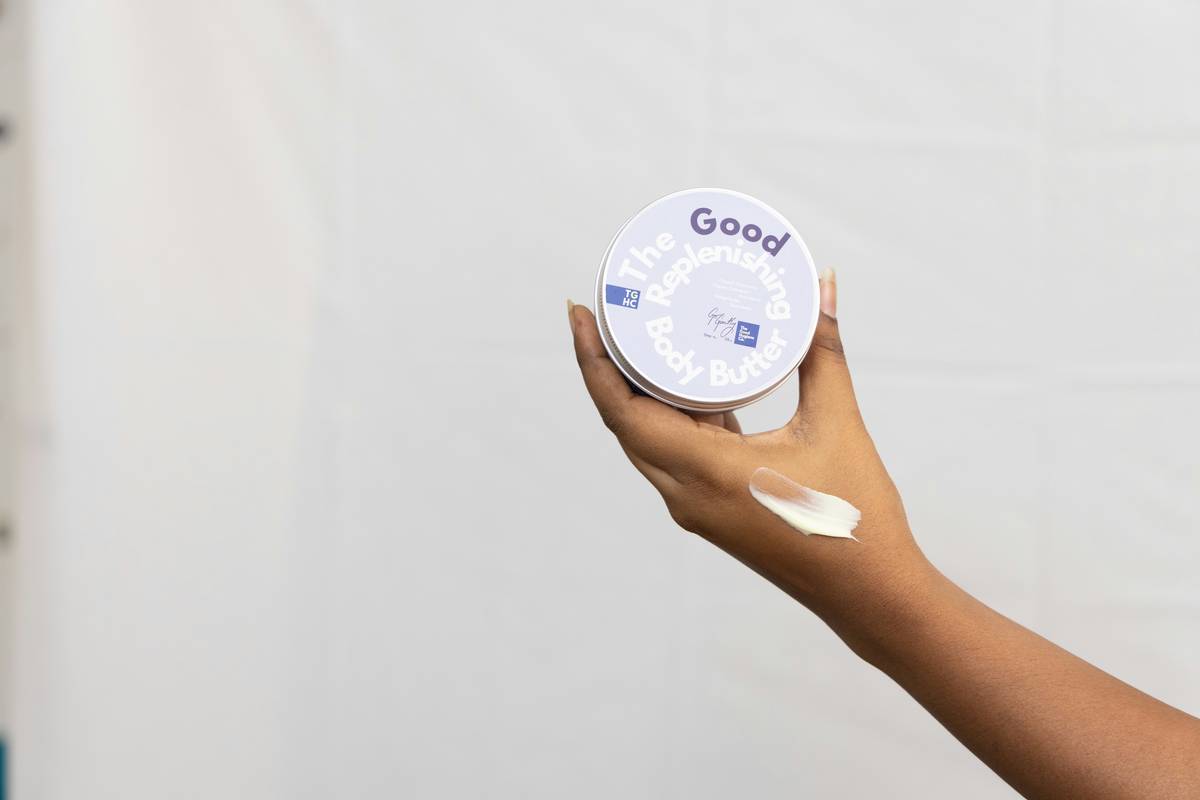
The Industry Secret: Scent as a Delivery Signal
Here’s what formulators won’t tell you: certain aroma molecules act as penetration enhancers. Take vanillin—it doesn’t just smell comforting; it gently loosens corneocyte packing, helping ceramides slip between skin cells faster. Same with trace amounts of eugenol from clove isolate (not oil!). This isn’t witchcraft—it’s pharmacognosy. But 99% of brands waste this synergy by using off-the-shelf fragrance blends designed for candles, not cutaneous biology. The result? You get a fleeting whiff and zero therapeutic upside.
Frequently Asked Questions
Can scented lotions really hydrate deeply?
Yes—but only if they avoid high-alcohol bases and use skin-identical lipids. Avoid anything that stings or dries quickly post-application.
Is “fragrance-free” better than naturally scented?
Not necessarily. Truly transparent natural perfumery (isolates, not crude oils) can be gentler than synthetic “fragrance-free” claims hiding masking agents.
How often should I use a scented body lotion?
Daily—immediately after bathing. If your skin feels tight or itchy, you’re likely using an incompatible formula, not over-applying.