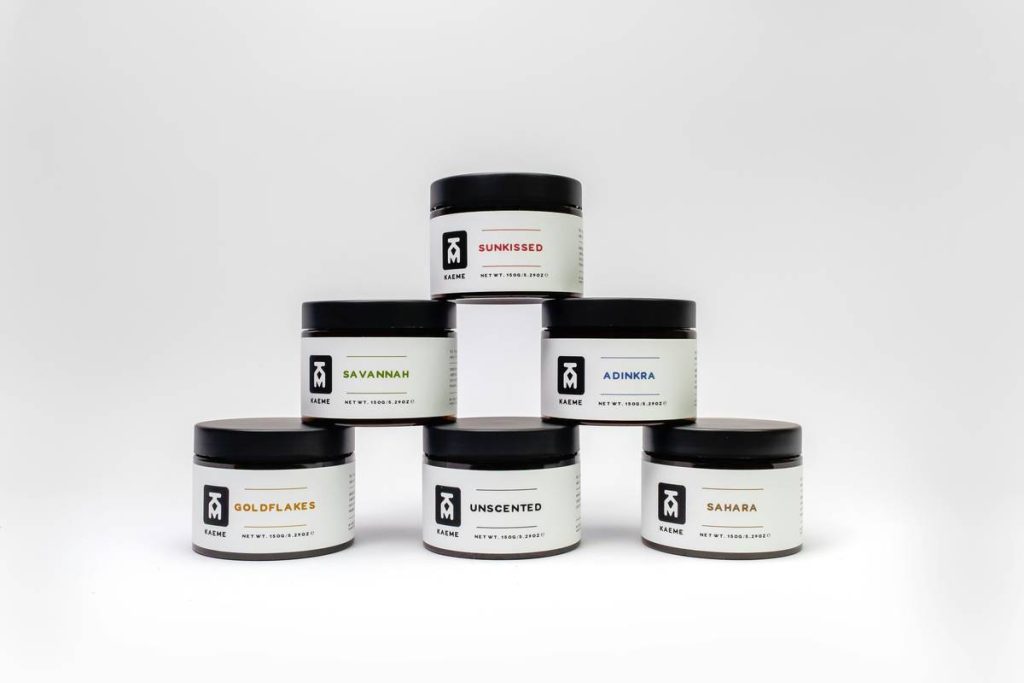
You bought a luxurious unscented lotion. Then you added your favorite essential oil. And now? It stings, separates, or smells like a failed science experiment. Most DIY scenting guides skip the chemistry that actually makes fragrance blend safely with emulsions. Here’s how to scent lotion correctly—so it lasts, soothes, and doesn’t sabotage your skin barrier.
Why Most People Fail at How to Scent Lotion
Essential oils aren’t magic fairy dust you can sprinkle into any base. Water-based lotions and oil-soluble fragrances repel each other like oil and vinegar—unless you bridge them properly. And carrier oils? They might dilute your scent but won’t prevent separation.
Worse: undiluted fragrance oils can cause sensitization—especially on compromised or dry skin. The result isn’t “aromatherapy.” It’s redness, itching, and wasted product.
How to Scent Lotion: A Step-by-Step Guide for Real Results
Forget Pinterest hacks. This method uses cosmetic chemistry principles adapted for home use—no lab required.
Pick the Right Base First
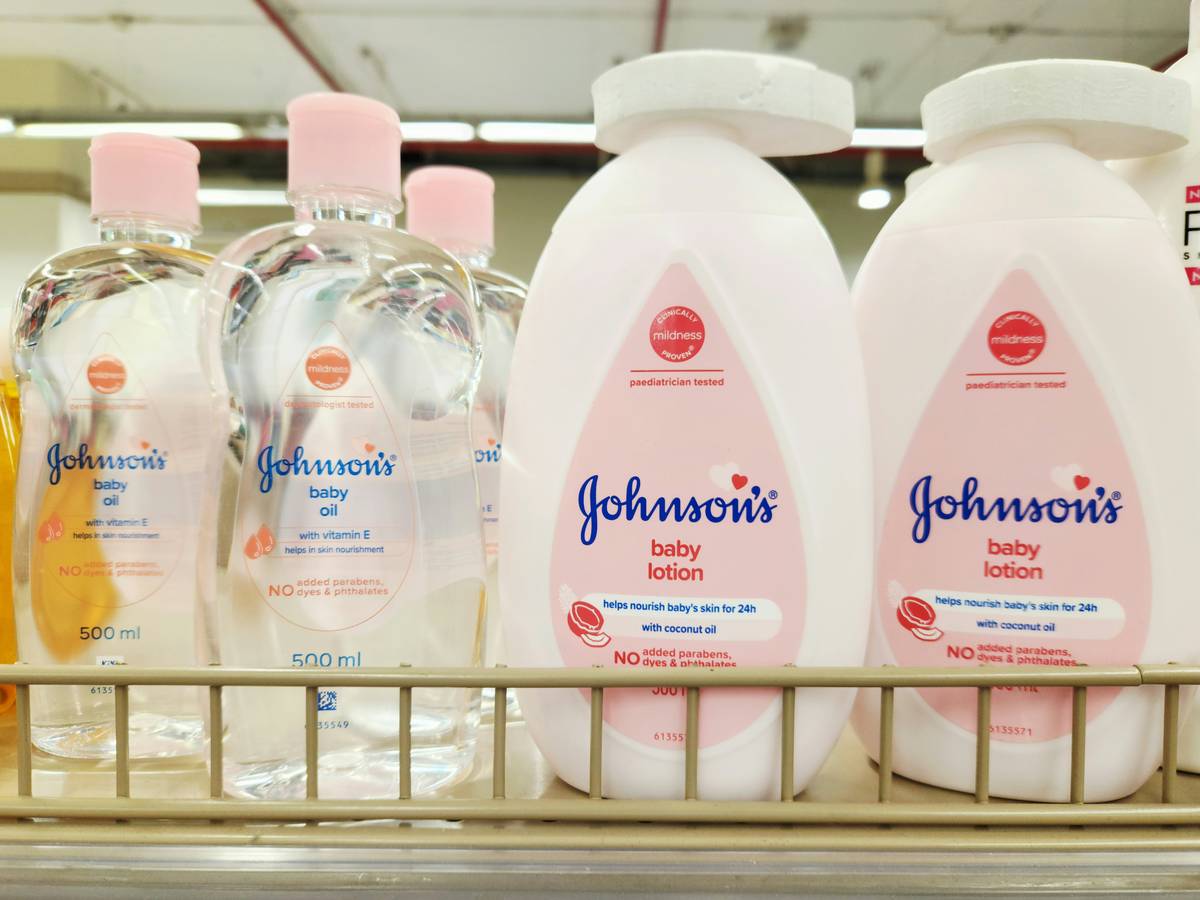
Use an oil-in-water emulsion labeled “unscented” (not “fragrance-free,” which may still contain masking agents). Avoid lotions with high alcohol content—they evaporate and distort scent balance.
Choose Your Scent Wisely
Citrus top notes fade fast. Resins and musks linger. For longevity, blend: 60% base note (like vanilla CO2 or sandalwood), 30% heart (lavender, ylang-ylang), 10% top (bergamot, lemon). Never exceed 2% total fragrance concentration—that’s ~12 drops per ounce of lotion.
Emulsify Before You Mix
Here’s the non-negotiable step: dissolve your fragrance in a solubilizer first. Polysorbate 20 works for lighter scents; polysorbate 80 handles heavier absolutes. Ratio: 1 part fragrance : 4 parts solubilizer. Whisk into warm (not hot) lotion slowly.
| Method | Stability | Skin Safety | Longevity | Cost (per 4 oz) |
|---|---|---|---|---|
| Direct EO addition | Poor (separates in 24h) | Risky (no dilution) | 1–2 hours | $0.50 |
| With carrier oil only | Fair (cloudiness likely) | Moderate | 3–4 hours | $1.20 |
| Solubilizer + EO/FO blend | Excellent (stable 6+ months) | Safe (at ≤2%) | 6–8 hours | $2.00 |
The Industry Secret: Fragrance Timing Matters More Than Ingredients
Big brands don’t just mix fragrance at the end—they add it during the cooling phase at precisely 104°F (40°C). Why? Higher temps degrade delicate molecules; lower temps prevent even dispersion. At home, wait until your lotion feels warm but not hot to the wrist. Stir 30 seconds clockwise, then 30 counterclockwise—this vortex motion mimics industrial homogenizers and locks scent into the matrix.
And here’s something labs won’t advertise: your skin’s pH alters scent perception. A lotion at pH 5.5 will make florals sharper; at pH 6.5, woods deepen. Test small batches at different pH levels if you’re blending custom perfumes.
Frequently Asked Questions
Can I use perfume to scent my lotion?
No. Perfume contains ethanol and fixatives that destabilize emulsions and irritate skin. Use only skin-safe fragrance or essential oils rated for leave-on cosmetics.
How long does homemade scented lotion last?
If preserved correctly (with phenoxyethanol or Leucidal Liquid), 3–6 months in cool, dark storage. Always patch-test after 30 days.
Why does my lotion smell different after a day?
Fragrance needs 24–48 hours to “macerate” in the base. Initial sharpness softens as molecules bind to emollients. Judge scent after this rest period—not immediately.